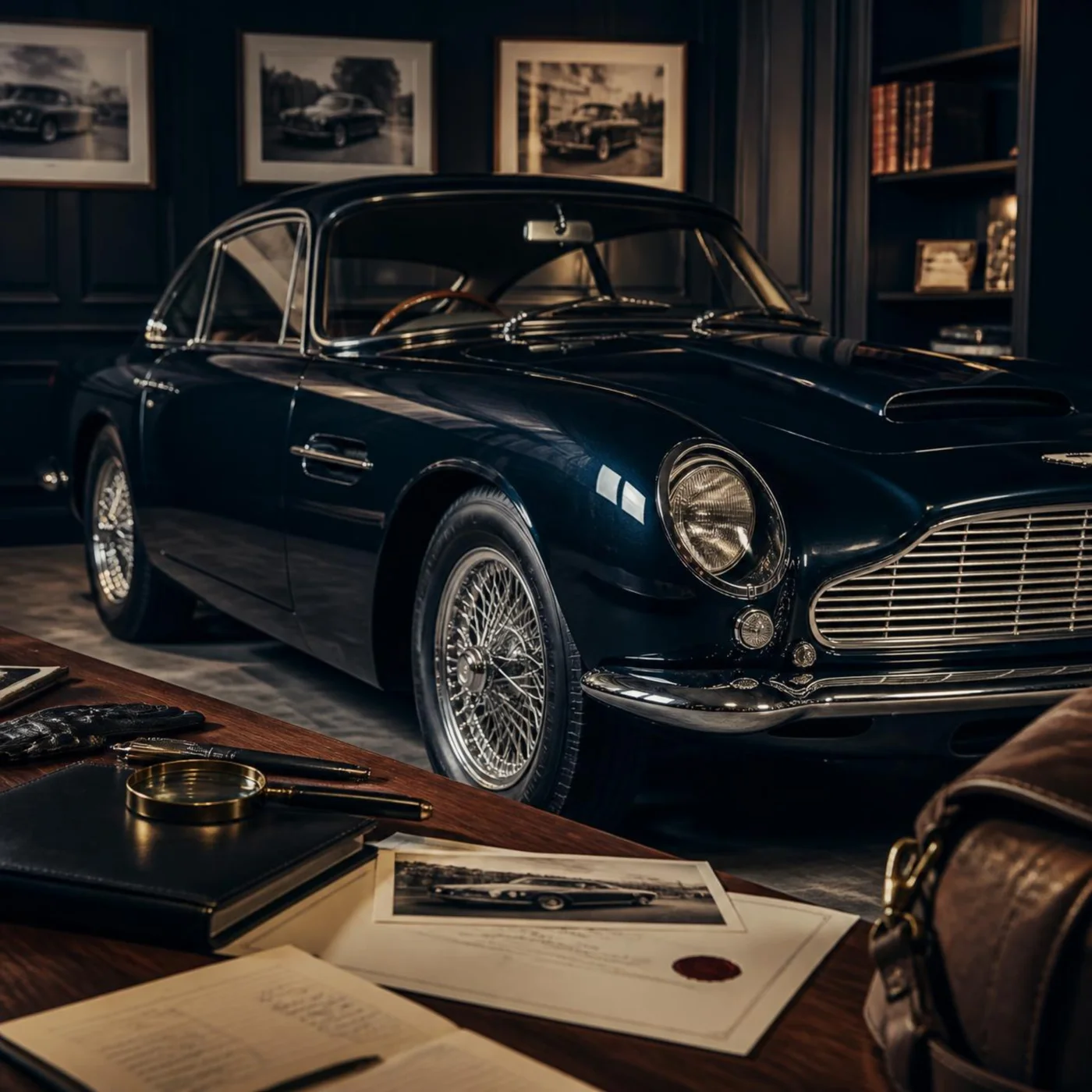
Selling a classic or prestige car: why it needs a different approach
23 November 2026
Selling a classic or prestige car isn't like selling a run-of-the-mill motor
If you're selling a classic or prestige car, you'll already know it doesn't behave like an ordinary used car. Values don't track a simple age-and-mileage curve. Condition, originality, history and even colour combination can swing the price by thousands. A generic online valuation tool that's built for mainstream hatchbacks and family SUVs often isn't built to cope with that.
Type your registration into a quick web form and you might get a number back in seconds. For a five-year-old diesel estate, that's probably fine. For a well-kept Mercedes SL, an original Porsche 911, a low-mileage Jaguar, or anything with a following of enthusiasts, that number can be wildly wrong — too low if the algorithm doesn't understand why the car matters, or too high if it's guessing from a handful of inflated asking prices rather than what cars actually sell for.
What makes these cars different to value
A few things separate a classic or prestige car from the everyday used car market.
History and provenance matter. A full service history, original invoices, old MOT certificates, and documentation of past ownership can genuinely add value. A car with a thin paper trail, even if mechanically identical, will usually be worth less.
Originality counts. Modified cars, non-standard parts, or a respray in the wrong colour can all affect what a car is worth to the next buyer, for better or worse. Matching numbers, original interiors and unmolested bodywork tend to hold their value best.
Condition isn't just cosmetic. Rust in the sills, evidence of poor past repairs, or an engine that's been left standing for long periods all need a trained eye to assess properly. Photos and a mileage figure don't tell the whole story.
Rarity and demand shift constantly. Some models that were unremarkable a decade ago are now sought after, while others that commanded a premium have cooled off. Keeping track of that takes more than an automated database update.
Why a web-form valuation can let you down
Most instant online valuation tools work from bulk market data — essentially averaging out what similar-looking cars have sold for. That works reasonably well for common cars sold in high volumes. It works less well for cars sold in smaller numbers, where one or two unusual sales can skew the average, or where the tool simply doesn't have enough recent data to draw on.
The result is either a lowball figure that undervalues a genuinely special car, or an overinflated one based on optimistic asking prices rather than real sales. Neither helps you make a good decision.
How a proper valuation should work
A specialist buyer looks past the registration number. That usually means:
- Asking about full service and ownership history, not just mileage
- Looking at photos (or the car itself) to assess originality and condition properly
- Understanding current demand for that specific model, not just the broader class of car
- Being upfront about why a figure is what it is, rather than presenting a black-box number
This is where buying a car directly, rather than through an automated listing process, makes a real difference. There's no algorithm guessing at your car's story — someone actually looks at what you've got.
What this means if you're ready to sell
If you own a classic, a prestige model, or anything with genuine enthusiast appeal, it's worth starting with an instant valuation as a baseline, then expecting a proper conversation around the details that actually affect your car's worth. A fair buyer will want to know about history, originality and condition before settling on a figure — not just pull a number from a database and expect you to accept it.
The promise we work to is straightforward: the price we agree is the price you get, with how it works explained plainly before you commit to anything. No last-minute deductions once someone's actually seen the car, and no pressure to accept a number that doesn't reflect what you own.
If you're local to Essex, our page for selling a car in Wickford covers how collection and payment work in practice.
Common questions
Will an online valuation tool ever get a classic car right? Sometimes it'll be close, especially for more common prestige models with plenty of sales data. But for genuinely rare, modified, or highly original cars, an automated figure should be treated as a starting point rather than the final word.
Does a full service history really add much value? Yes, often more than people expect. Buyers of classic and prestige cars put real weight on paperwork, because it reduces the risk of hidden problems and confirms the car's story.
What if my car has had modifications? It depends entirely on the car and the modification. Some additions can reduce value for purists, while period-correct or tasteful upgrades on certain models can actually help. It's worth being upfront about any changes so they can be properly assessed rather than discovered later.
If you're unsure where your car stands, our FAQ covers more on how valuations and the selling process work.