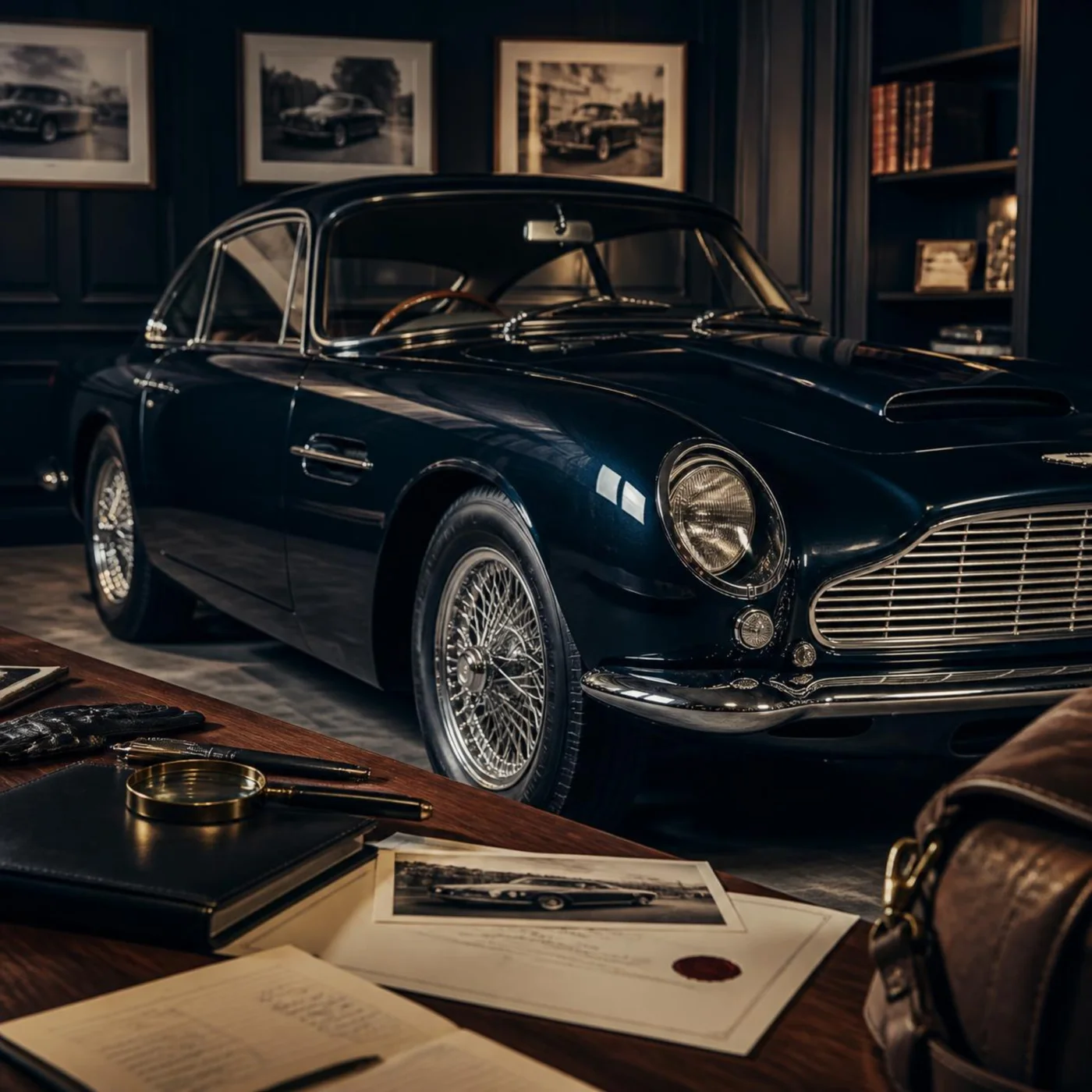
Selling a classic or prestige car: why it needs a different approach
24 August 2026
Selling a classic or prestige car: why it needs a different approach
If you're wondering how to sell my classic car without ending up with a lowball offer, you're asking the right question. Classic, prestige and enthusiast cars don't fit neatly into the boxes that most online car buying forms are built around, and that mismatch can cost you money if you're not careful.
A standard valuation tool is built for volume. It looks at make, model, mileage, age and general condition, then spits out a number based on what similar cars have sold for. That works fine for a five-year-old family hatchback. It works less well for a well-kept MGB, a low-mileage Jaguar XK, or a modified Mk2 Golf that's had money and care put into it that a spreadsheet can't see.
What makes these cars different
Classic and prestige cars carry value in places a basic algorithm doesn't look.
Provenance matters. A car with a full history file, original invoices, old MOT certificates and a clear ownership trail is worth more than an identical-looking car with a thin history, even if the mileage is the same.
Originality matters too. Unmolested interiors, matching numbers engines, and factory-original parts all add value that a generic mileage-and-age calculation simply won't pick up.
Condition isn't just about scratches and dents either. On a classic, panel gaps, paint depth, patina versus wear, and the quality of any past restoration work all feed into what the car is genuinely worth.
And then there's the market itself. Enthusiast cars can buck the trend of the wider used car market. A model that's currently sought after by collectors might hold its value, or even rise, while more mainstream cars are depreciating in the background.
Why a web form struggles here
Most instant online valuations are designed to be quick and broad. That's exactly why they suit ordinary daily drivers so well — the numbers behind them are drawn from large volumes of similar sales.
But a car with fewer close comparisons, a niche following, or unusual specification doesn't have that same depth of data behind it. Feed a prestige or classic car into a system built for mass-market vehicles and you risk one of two outcomes: an offer that's too low because the tool can't see what makes your car special, or a headline figure that gets quietly reduced once someone actually looks at the car in person.
That second scenario is the one to watch for. A number that changes once you turn up isn't really a valuation, it's a starting point for negotiation. If you're selling something you've cared for over years, that's not a conversation you want to be having on the driveway.
How a proper valuation should work
A fair valuation for a classic or prestige car still starts with the basics: make, model, mileage, and general condition. That's why get an instant valuation is still a sensible first step, even for an enthusiast car — it gives you an honest starting figure in around 30 seconds.
From there, the detail matters. Be ready to talk about service history, any restoration work, original parts versus replacements, and anything that makes your car's story worth telling. Photos of the interior, engine bay and any documentation help too.
The key thing to look for in a buyer is consistency. The price you're given up front should be the price you're paid, not a figure that shifts once a car has been collected or inspected. That's the whole basis of how selling to The Car Buying Club works — the price we agree is the price you get, with no last-minute deductions once someone's actually seen the car.
Getting the sale right
If you're local to Essex, it's worth checking selling your car in Wickford for how the process works in practice, from valuation through to collection. Collection itself is straightforward too — you can read more about how collection day works so there are no surprises on the day, whether you're selling a runabout or something you've owned for twenty years.
Selling a car you're attached to is different from selling one you've simply used to get from A to B. It deserves a buyer who takes the time to understand what you're actually selling, not just the make and model.
Common questions
Will an online valuation undervalue my classic car? It can, if the tool only looks at basic factors like age and mileage. That's why it's worth treating the online figure as a starting point and providing full details on history and condition afterwards.
Does modifying a car affect its value? It depends on the modification and the car. Some changes add genuine value to enthusiasts, others reduce it, so it's worth explaining any work done rather than assuming it will be judged negatively.
What documents should I gather before selling? Service history, the V5C logbook, old MOT certificates, and any invoices for parts or restoration work all help build a clear picture of the car's condition and provenance.